Contact Us To Schedule Service
Interested in one of our services? Fill out the quick form to your right and we’ll be in touch very shortly.
Additionally, you can email us and we’ll respond within 24 business hours.
We Offer 5% Senior Discount!
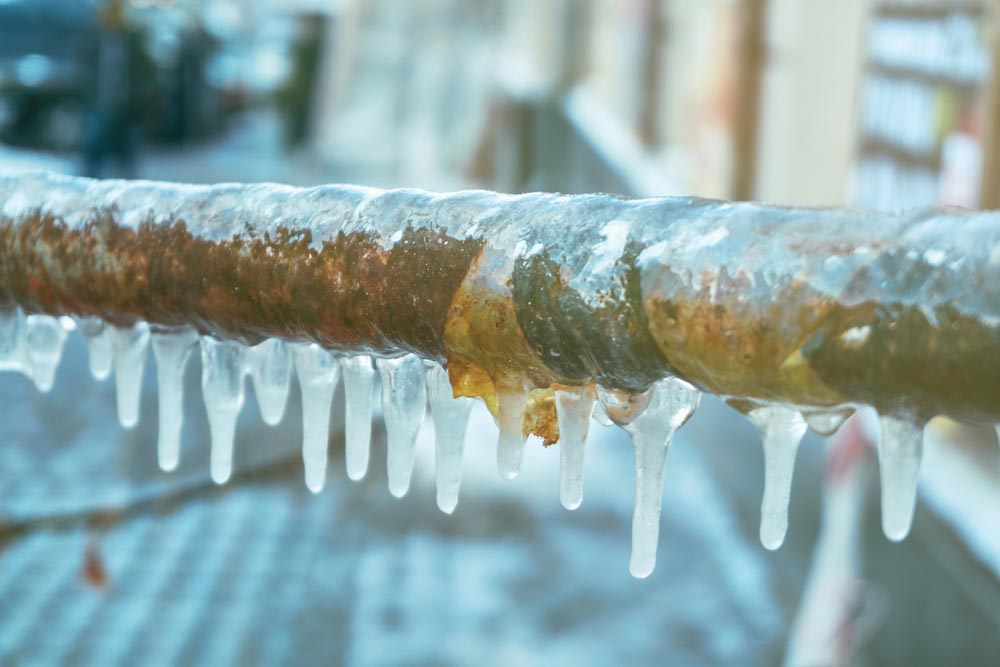
Frozen pipes are one of the most stressful cold-weather problems a property owner can face. Water pressure drops, fixtures stop working, and damage can follow fast. Many people assume freezing is random, but there are clear reasons certain pipes freeze before others. When property owners consult a plumber in Greenwich, CT, the same risk patterns come up again and again, and spotting them early makes a real difference.
Location Makes or Breaks a Pipe
Pipes located near exterior walls, crawl spaces, attics, or garages face colder air with little protection. Pipes exposed to temperatures below 20°F are at high risk of freezing, especially when insulation is thin or missing. A licensed plumbing company sees these vulnerable locations regularly during winter service calls, often in older homes where pipe placement followed outdated standards.
Pipe Material Plays a Role
Not all pipes react the same way to cold. Metal pipes, especially copper and steel, lose heat faster than plastic piping. Research from the American Society of Plumbing Engineers shows metal conducts cold rapidly, which lowers water temperature inside the line sooner. While plumbing services are underway, identifying pipe material helps determine where insulation or rerouting may reduce risk.
Low Water Movement Raises Risk
Pipes that see little daily use are more likely to freeze because standing water chills faster. Guest bathrooms, laundry hookups, and outdoor spigots are common trouble spots. The Environmental Protection Agency notes that water movement helps retain warmth, while stagnant water cools quickly. Many plumbing repairs in winter stem from pipes that stayed inactive during extended cold spells.
Insulation Gaps Invite Trouble
Even well-designed systems fail when insulation breaks down. Cracked foam sleeves, exposed joints, or aging wraps allow cold air to reach the pipe surface. Licensed plumbers frequently find insulation damage caused by rodents, moisture, or age. Emergency plumbing calls often involve areas where insulation looked fine from a distance but failed at seams or corners.
Identifying High-Risk Zones
Experienced plumbers use visual inspection, infrared temperature readings, and pressure checks to locate problem areas before freezing occurs. Building science studies from the National Institute of Standards and Technology show that temperature variation inside walls can be dramatic, even within the same room. Knowing where those shifts happen guides smarter prevention.
FAQs
Which rooms are most likely to have frozen pipes?
Garages, basements, kitchens with exterior walls, and laundry areas are common risk zones.
Can pipes freeze even if the heat is on?
Yes. Pipes in unheated cavities or near drafts can freeze despite indoor heating.
How fast can a pipe freeze in cold weather?
Pipes can freeze in as little as six hours when exposed to severe cold.
What should I do if I suspect a frozen pipe?
Shut off the water supply and contact a licensed professional right away.
Cold-weather plumbing issues demand real experience. The JNR Plumbing team brings decades of hands-on knowledge, transparent communication, and dependable workmanship to every call. Property owners trust us for honest assessments, proven solutions, and respect for their homes. When winter tests your plumbing, working with professionals who understand the risks makes all the difference. Get in touch with us today to schedule a service!

Book your service today, look over our available appointments, and pick a time frame that is convenient for you.
