Contact Us To Schedule Service
Interested in one of our services? Fill out the quick form to your right and we’ll be in touch very shortly.
Additionally, you can email us and we’ll respond within 24 business hours.
We Offer 5% Senior Discount!
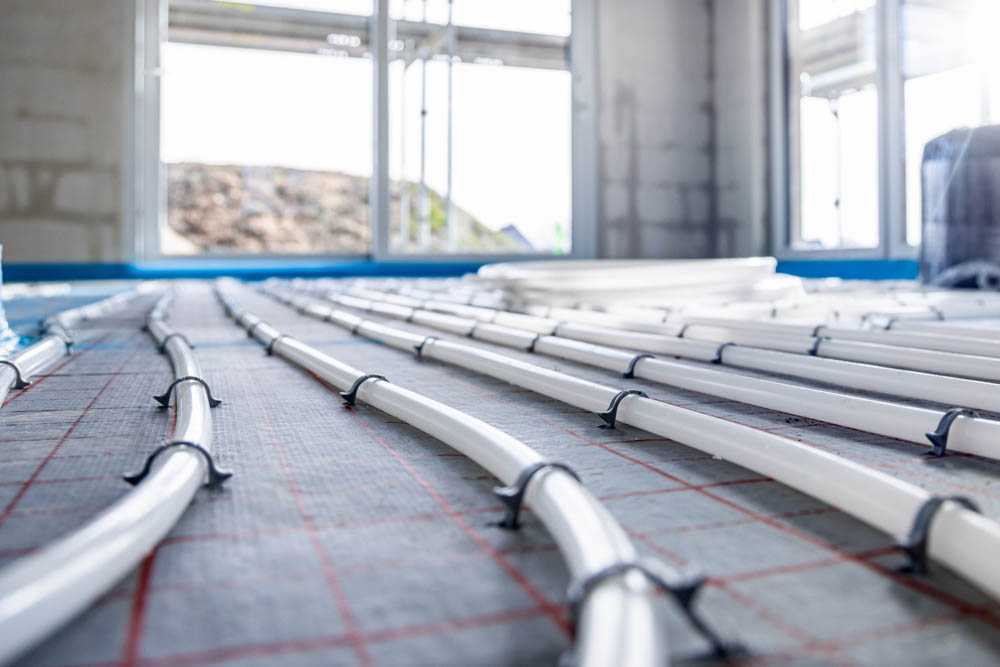
Most homes treat temperature like a one-size-fits-all setting, even though comfort is rarely that simple. One room might feel perfect, while another feels too warm or too cool. Modern heating design changes that idea by letting different parts of the home hold different temperatures at the same time.
JNR Plumbing provides systems for hydronic heating in Darien, CT, so homeowners can create “micro-zones” that match how each space is actually used. We also help design and maintain these systems for real-world comfort.
How Micro-Zoning Changes Home Comfort
Micro-zoning means dividing a home into separate heating areas, each with its own temperature control. Instead of pushing one setting across the entire house, each zone responds independently based on how the space is used. A properly designed hydronic heating system uses warm water circulated through tubing or radiators, allowing heat to be distributed evenly and quietly. According to the U.S. Department of Energy, hydronic systems are known for stable indoor temperatures because water holds and transfers heat more efficiently than air-based systems.
One System, Different Temperatures for Every Room
A hydronic setup connected to a central boiler can support multiple comfort levels without needing separate heating units. Each zone is controlled through valves and thermostats that regulate water flow.
In a well-designed home, temperature preferences can look like this:
- A bedroom kept cooler for sleep comfort
- A bathroom floor warmed for early mornings
- A living room held at a steady everyday setting
- A kitchen adjusted for activity and heat from cooking
These zones all operate from the same hydronic heating installation, making temperature control more intentional and personalized across the home.
Why Water-Based Heating Works So Well for Zoning
Water carries heat more consistently than forced air, which tends to rise and shift quickly. That stability makes it easier to maintain different temperatures in separate areas without sudden swings. A hydronic system also reduces the constant cycling often seen in traditional heating setups. The result is more even distribution of warmth, especially in homes with multiple floors or large open spaces.
Design Factors That Shape Performance
Every home distributes heat differently based on layout, insulation, and flooring materials. Bathrooms with tile, for example, retain heat differently than carpeted bedrooms. These details matter when setting up zoning controls.
Key planning considerations include:
- Room size and insulation levels
- Floor materials and heat retention
- Boiler capacity and output
- Thermostat placement and responsiveness
- Pipe routing and system layout
A properly planned hydronic heating system takes all of these factors into account so each zone performs as intended.
Everyday Comfort Without Constant Adjustments
Once a zoning setup is dialed in, homeowners do not need to constantly adjust settings throughout the day. Each area maintains its own steady temperature based on programmed preferences and real usage patterns. This type of system works especially well in homes where schedules vary or different rooms are used at different times. It keeps energy use aligned with actual demand instead of heating the entire house uniformly at all times.
Frequently Asked Questions
Can every home use hydronic zoning?
Most homes can, but system design depends on layout, existing heating infrastructure, and boiler capacity.
Is zoning only for large homes?
No. Even smaller homes can benefit from separate temperature zones in key living areas.
Does each room need its own thermostat?
Not always. Some zones can share controls depending on how the system is designed.
How long does installation usually take?
Timing depends on home size and system complexity, especially during full hydronic heating installation projects.
Comfort at home often comes down to how well each space responds to daily life. JNR Plumbing brings advanced diagnostic technology, master-level expertise, and safety-first professionalism to every zoning and heating project. With transparent & reliable pricing, real-time tracking, and locally rooted knowledge, we help homeowners create heating systems that match how they actually live, room by room. Send us a message to discuss your heating options!

Book your service today, look over our available appointments, and pick a time frame that is convenient for you.
