Contact Us To Schedule Service
Interested in one of our services? Fill out the quick form to your right and we’ll be in touch very shortly.
Additionally, you can email us and we’ll respond within 24 business hours.
We Offer 5% Senior Discount!
Grease looks harmless going down the sink. It slides, it disappears, and the problem seems solved. Fat, oil, and grease don’t vanish once they leave your kitchen. They cool, harden, and cling to the inside of your pipes, layer after layer, until they form something plumbers call a fatberg. JNR Plumbing crews find these masses growing inside pipes that looked fine from the outside weeks earlier. Homes across the region deal with this buildup more often than most people realize, especially older properties with narrower pipe diameters. Anyone searching for drain cleaning in Norwalk, CT has likely already met the early symptoms of a fatberg without knowing what to call it.
What Exactly Is a Fatberg?
A fatberg is a solid mass formed when fat, oil, and grease bind together with items that should never enter a drain: wet wipes, dental floss, paper towels, hair, and cotton swabs. Grease acts like glue. Once it cools inside a pipe, it hardens into a waxy coating that traps everything passing through afterward. Over months, that coating thickens into a blockage strong enough to narrow a pipe’s interior by half or more.
How Does a Fatberg Form Inside Your Pipes?
The process starts small. A pan of bacon grease gets rinsed into the sink. A jar of leftover cooking oil goes down the drain instead of the trash. Each pour adds a thin film to the pipe wall. Warm water carries the grease along at first, but pipes cool quickly underground or inside walls, and grease solidifies the moment temperature drops. Bathroom habits add to the problem. Wipes labeled “flushable” rarely break down the way toilet paper does, and they snag on the grease coating, creating a scaffold for more material to collect.
What Are the Warning Signs of a Fatberg in Your Home?
- Slow-draining sinks or tubs that get worse over weeks rather than days
- Gurgling sounds from drains after running the dishwasher or washing machine
- A recurring clogged drain in the same fixture, even after using a plunger
- Sewage-like odors near floor drains or the lowest bathroom in the house
- Water backing up in unexpected places, like a shower drain when the washing machine runs
Any one of these on its own might mean a minor issue. Several appearing together usually points to a mass building somewhere in the line.
Why Are Fatbergs So Damaging to Residential Plumbing?
Pipes are built to carry water and waste efficiently, not to store solid material. A growing fatberg reduces flow, raises pressure behind the blockage, and stresses joints and seals never designed to hold back that kind of force. Left alone, the mass can crack older pipes, corrode metal fittings, and force wastewater back toward fixtures instead of away from them. Municipal sewer systems face the same fate on a larger scale, but a home version develops quietly and often gets discovered only after a backup reaches the surface.
How Can Homeowners Prevent Fatberg Buildup?
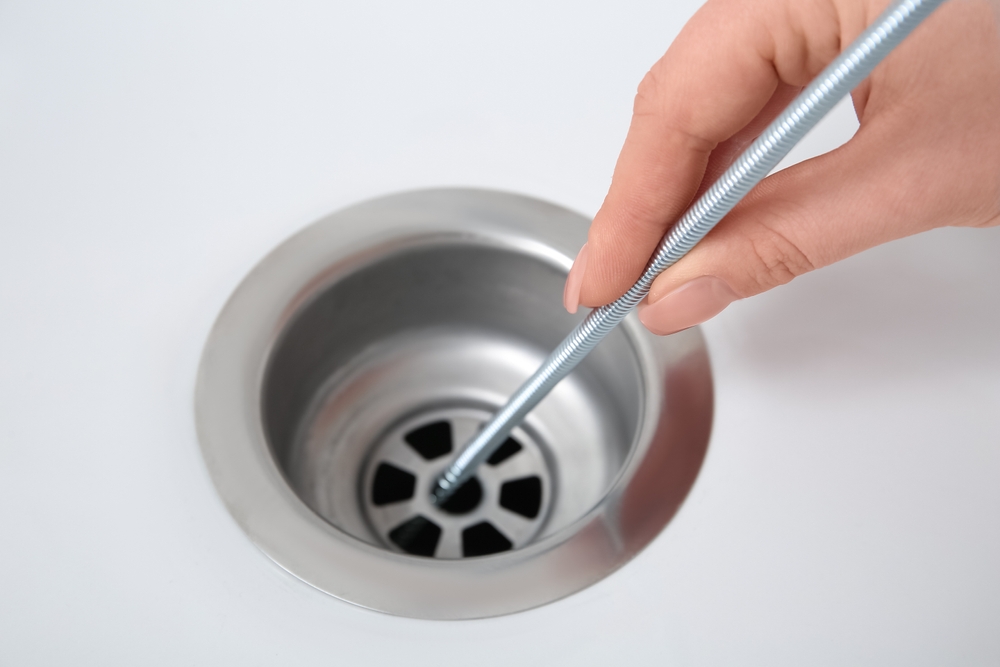
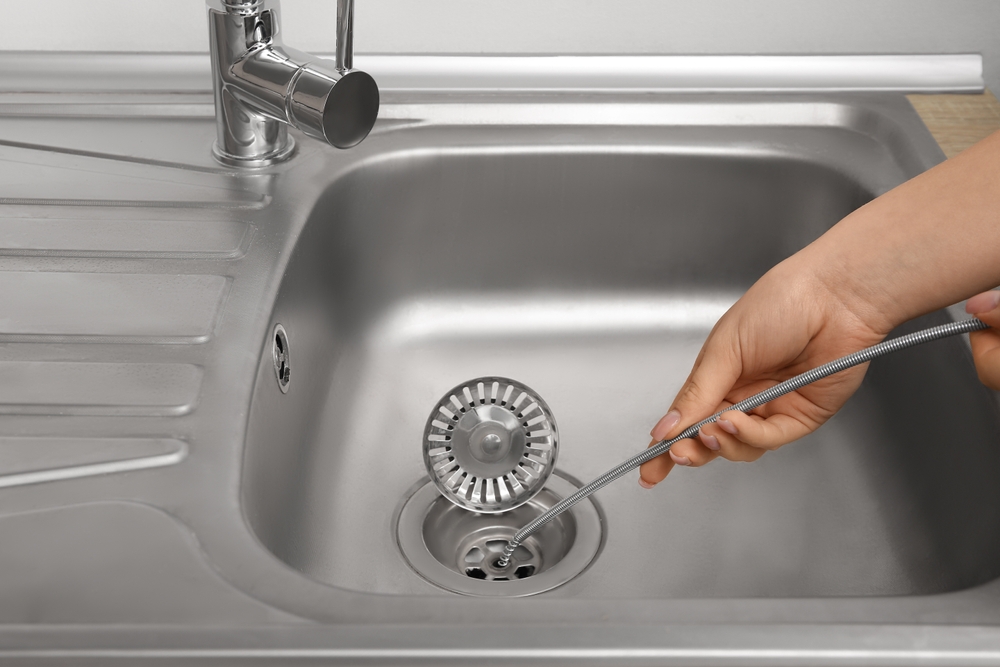
Small habits make the biggest difference. Pour grease into a container and toss it in the trash once it cools. Scrape plates before rinsing them. Keep wipes, floss, and paper towels out of both sinks and toilets. For homes with a history of slow drains, scheduling routine drain cleaning services once or twice a year catches buildup before it hardens into something bigger. Professional drain snaking clears grease and debris mechanically, reaching sections a store-bought drain cleaner can’t touch.
Frequently Asked Questions
How long does it take for a fatberg to form in a home’s plumbing?
Timelines vary by household, but consistent grease disposal down a drain can produce a noticeable blockage within six months to a year, faster in homes with older or narrower pipes.
Can a fatberg damage a septic system as well as city sewer lines?
Yes. Septic tanks rely on bacteria to break down waste, and grease buildup disrupts that balance, allowing solids to migrate into the drain field where they cause long-term damage.
Does homeowners insurance cover fatberg-related pipe damage?
Coverage depends on the policy and the cause of the blockage. Sudden pipe bursts often qualify for coverage. Damage from gradual buildup and lack of maintenance typically does not, which is why most insurers recommend routine upkeep.
Keeping a Home’s Plumbing Fatberg-Free
Fatbergs don’t announce themselves with a single dramatic event. They build in silence, fixture by fixture, until a home’s plumbing system is working twice as hard to do half the job. Catching the early signs and addressing them before a full blockage forms saves money and avoids the disruption of an emergency repair. JNR Plumbing brings master-level expertise to every inspection, backed by transparent and reliable pricing so homeowners know what a repair involves before work begins. As a drain cleaning company rooted in the local community, the team understands how regional pipe age, water hardness, and household habits shape the plumbing challenges specific to this area. If slow drains or recurring backups have become part of the routine, reaching out for an inspection now is easier than dealing with a full blockage later.

Book your service today, look over our available appointments, and pick a time frame that is convenient for you.
