Contact Us To Schedule Service
Interested in one of our services? Fill out the quick form to your right and we’ll be in touch very shortly.
Additionally, you can email us and we’ll respond within 24 business hours.
We Offer 5% Senior Discount!
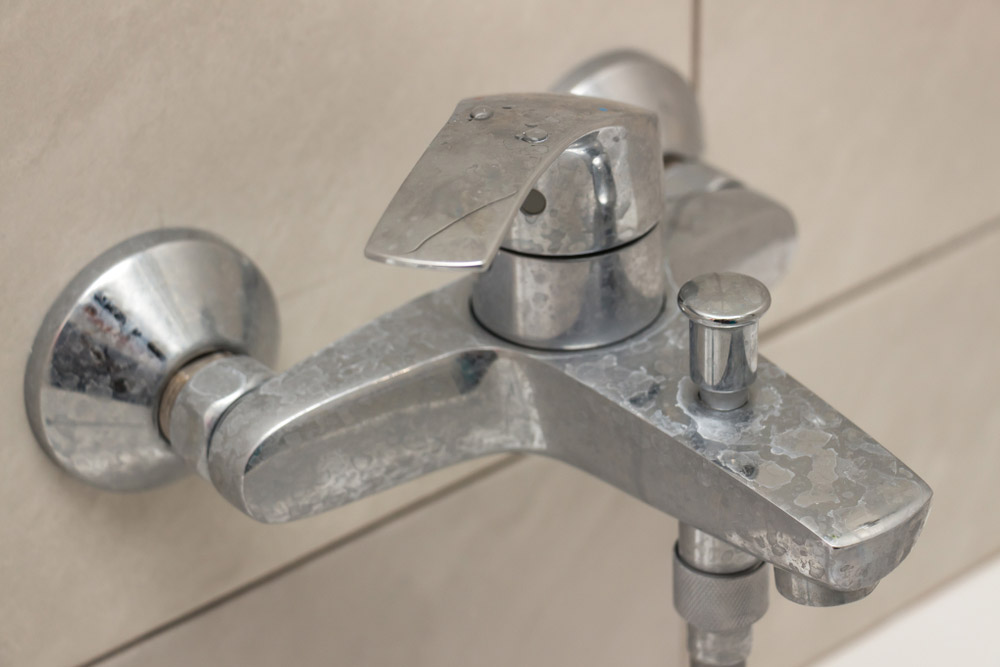
Hard water does not usually announce itself with a single obvious problem. It builds up quietly, leaving behind mineral deposits that cling to the inside of your pipes and fixtures. Over time, that buildup starts to affect how water moves through your home, often showing up as weaker pressure, longer heating times, or stubborn residue that keeps coming back.
At JNR Plumbing, we see how these small changes point to a larger issue happening out of sight. For homeowners looking for a dependable plumber in Stamford, CT, understanding how hard water affects your plumbing system can help you stay ahead of ongoing wear and performance issues.
What Hard Water Does Inside Your Pipes
Hard water contains high levels of minerals like calcium and magnesium. As water moves through your plumbing system, these minerals settle along the inner walls of pipes, forming a chalky buildup known as scale. Over time, this layer thickens and begins to restrict water flow.
The U.S. Geological Survey reports that hard water is present in about 85 percent of homes in the United States, which means scale buildup is a widespread issue that affects long-term system performance. As a trusted plumbing company, we often see how this gradual buildup can impact both residential plumbing and connected appliances.
How Scale Buildup Affects Your System
Scale does more than sit inside pipes. It actively reduces efficiency and can lead to ongoing plumbing concerns if left unchecked.
- Pipe diameter becomes narrower, restricting water flow
- Water pressure drops in sinks, showers, and appliances
- Mineral deposits collect in fixtures and valves
- Appliances like water heaters work harder to operate
These effects can lead to recurring plumbing repairs as buildup continues to accumulate throughout the system.
Signs You May Have Hard Water Issues
Many signs of hard water appear gradually, which makes them easy to overlook at first. Recognizing these early indicators can help prevent larger disruptions.
- White or chalky residue on faucets and showerheads
- Soap that does not rinse off easily
- Reduced water pressure over time
- Spots or film on dishes and glassware
When these signs appear across multiple fixtures, it often points to mineral buildup rather than isolated plumbing concerns, which is when professional plumbing services become important.
Why Professional Solutions Matter
Addressing hard water buildup involves more than surface cleaning. It requires evaluating how scale has affected the system and determining the right approach to restore proper flow. Professional tools and techniques allow technicians to assess buildup inside pipes and identify areas that need attention.
In some cases, scale buildup can also contribute to sudden issues that require emergency plumbing support, especially when flow becomes heavily restricted or components begin to fail.
FAQs
Is hard water harmful to plumbing systems?
Yes, over time it can cause scale buildup that restricts flow and affects system performance.
Can hard water damage appliances?
Yes, mineral buildup can reduce efficiency and shorten the lifespan of water-using appliances.
How is hard water buildup removed?
Professional cleaning methods and system evaluations are used to address buildup inside pipes.
Should I treat hard water in my home?
Treatment options can help reduce mineral content and prevent future buildup.
When hard water takes a toll on your plumbing, JNR Plumbing gets to the source fast with advanced diagnostics and master-level expertise. You’ll get clear communication, real-time updates, and transparent pricing from start to finish. Whether it’s routine service or urgent emergency plumbing, we deliver reliable results backed by local experience!

Book your service today, look over our available appointments, and pick a time frame that is convenient for you.
