Contact Us To Schedule Service
Interested in one of our services? Fill out the quick form to your right and we’ll be in touch very shortly.
Additionally, you can email us and we’ll respond within 24 business hours.
We Offer 5% Senior Discount!
The water flowing through your home might look clear, but clarity is not the same as clean. Minerals, gases, and microscopic particles travel through your pipes every single day, and most homeowners never notice until a leak, a stain, or a strange odor forces the issue. By then, the damage has often been building for years. JNR Plumbing has spent countless service calls tracing pinhole leaks and corroded fittings back to the same culprit: contaminants nobody could see coming. If you’ve ever searched for a plumber in Westport, CT after discovering unexplained water damage, this is likely the reason why.
What Contaminants Are Actually Hiding in Your Water?
Every water supply carries a mix of substances, and not all of them are dangerous to drink, but many are damaging to metal and plastic piping over time.
- Dissolved minerals like calcium and magnesium (hard water)
- Chlorine and chloramine used for disinfection
- Dissolved oxygen and carbon dioxide
- Sediment, sand, and rust particles
- Trace heavy metals such as iron or manganese
Each of these interacts differently with your pipe material, and the combination matters more than any single factor.
How Do These Contaminants Damage Your Pipes Over Time?
Hard water minerals build up on the interior walls of pipes, narrowing the passage and forcing your system to work harder. This buildup, known as scale, traps heat near water heater elements and reduces flow throughout the house.
Chlorine, while necessary for safe drinking water, breaks down rubber gaskets, seals, and certain plastic components faster than expected. Dissolved oxygen accelerates corrosion in copper and galvanized steel, creating tiny pits that eventually become pinhole leaks. Sediment acts almost like sandpaper, scraping at interior surfaces every time water rushes through, especially at bends and joints.
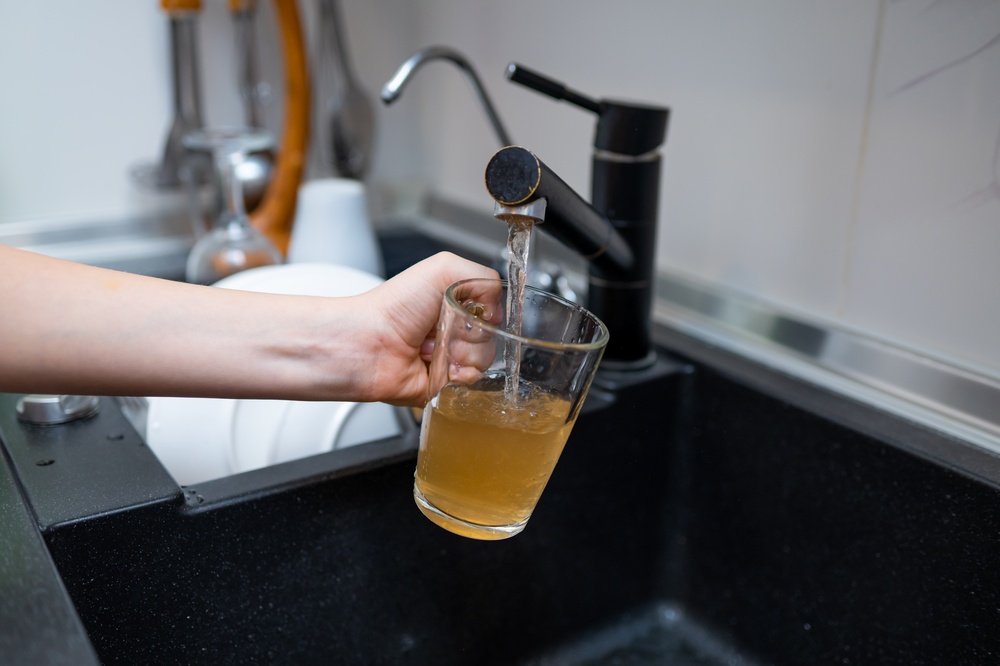
What Are the Warning Signs Your Piping System Is Under Attack?
- Discolored water, particularly a reddish or brownish tint
- A metallic or sulfur-like smell
- Reduced water pressure across multiple fixtures
- Visible corrosion or white crust near fittings
- Unexplained spikes in your water bill
Catching these signs early often means the difference between a simple fix and a full pipe replacement.
How Can You Protect Your Home’s Plumbing From These Threats?
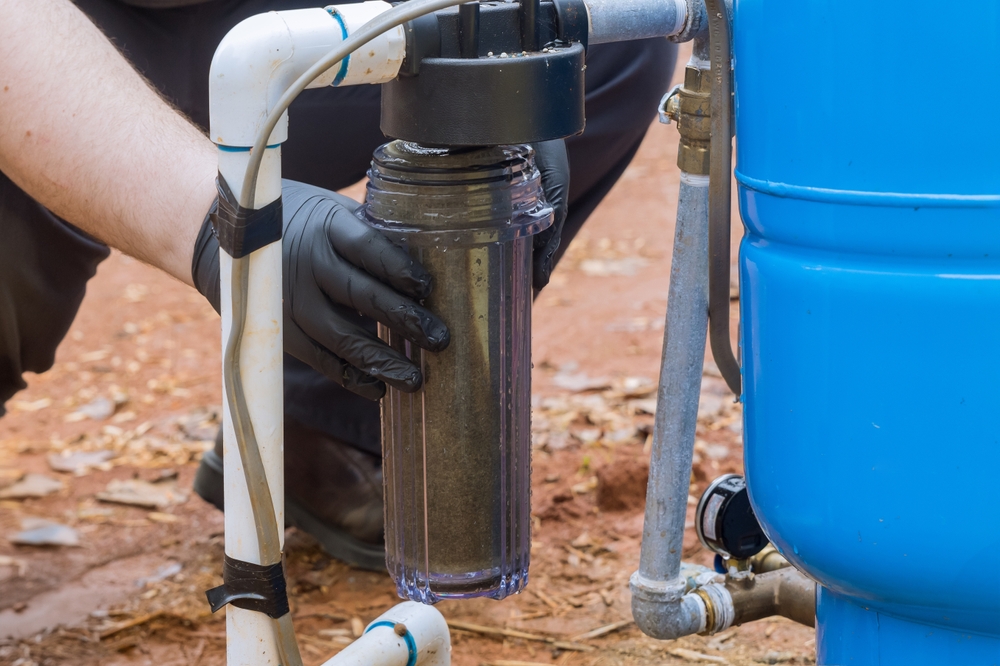
Water testing is the starting point. A professional analysis identifies exactly which contaminants are present and at what concentration, which then informs whether a whole-house filtration system, a water softener, or a targeted treatment makes the most sense. Routine inspections catch scale buildup and corrosion before they progress into leaks or bursts. For homes with older galvanized piping, gradual repiping with corrosion-resistant materials removes the vulnerability altogether rather than treating symptoms year after year. A licensed plumbing company can walk through these options based on your specific water source, whether it’s municipal or well.
Frequently Asked Questions
Does a water softener actually protect pipes, or is it only about laundry and dishes?
Softeners remove the calcium and magnesium responsible for scale buildup, which directly reduces strain on pipe walls, water heaters, and fixtures, not only laundry performance.
How often should home water quality be tested?
Most professionals recommend annual testing, with more frequent checks for homes on well water or with a documented history of plumbing repairs related to corrosion.
Can invisible contaminants affect newer PEX or PVC piping, or only old metal pipes?
Metal pipes corrode fastest, but PEX and PVC are not immune. Chlorine exposure and sediment can still degrade seals, fittings, and connection points over time.
Protecting a home’s plumbing starts with understanding what’s actually flowing through it, and that’s a job best left to trained hands. JNR Plumbing brings master-level expertise to every inspection, backed by transparent and reliable pricing so there are never surprises on an invoice. As a locally rooted team familiar with Westport’s water conditions, we’re ready when routine plumbing services turn into an emergency plumbing situation that can’t wait. Reach out today to schedule a water quality check before small contaminants turn into costly repairs.

Book your service today, look over our available appointments, and pick a time frame that is convenient for you.
