Contact Us To Schedule Service
Interested in one of our services? Fill out the quick form to your right and we’ll be in touch very shortly.
Additionally, you can email us and we’ll respond within 24 business hours.
We Offer 5% Senior Discount!
A room that never seems to warm up can be frustrating, especially when the rest of the house feels comfortable. Many homeowners assume a cold radiator means something is broken. In reality, the issue is often related to how heated water moves through the system.
Hydronic balancing is a technical adjustment process that helps distribute heat more evenly throughout a home. When flow rates are properly adjusted, radiators and heating loops receive the amount of hot water they were designed to handle. For homeowners researching hydronic heating in Greenwich, CT, understanding this process can help explain why some rooms stay colder than others despite a functioning system. At JNR Plumbing, we often find that balancing plays an important role in improving comfort and system performance.
Why Some Rooms Stay Cooler Than Others
Water naturally follows the path of least resistance. In a heating system, radiators or floor loops located closest to the boiler often receive heated water first. Areas farther away may receive less flow if the system is not balanced correctly.
The result can include:
- Hot rooms near the boiler
- Cooler rooms farther away
- Uneven temperatures between floors
- Longer heating cycles
- Occupants frequently adjusting thermostats
These symptoms do not always point to failing equipment. In many cases, they indicate that water flow needs adjustment throughout the system.
Understanding the Balancing Process
Balancing involves measuring and adjusting water flow rates across different parts of the system. The goal is to deliver the proper amount of heat to every zone, radiator, or floor loop.
Technicians evaluate factors such as:
- Water temperature
- Flow rates
- Pressure differentials
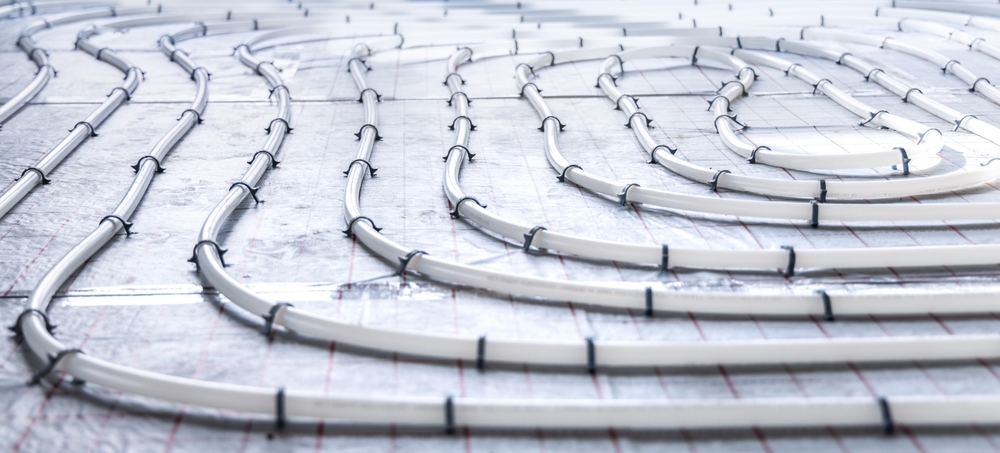
- Pipe layout
- Distance from the heat source
Using specialized instruments, adjustments are made to balancing valves and control components. This process helps prevent one area from receiving too much flow while another receives too little.
According to the U.S. Department of Energy, proper distribution and control of heated water are important factors in maintaining efficient operation and consistent indoor comfort in hydronic systems.
More Than a Boiler Problem
Homeowners often focus on the boiler when temperatures become uneven. While boilers are essential, the distribution network is equally important. A well-designed hydronic heating system relies on proper circulation throughout the entire property. Even when the boiler is producing adequate heat, imbalance within the piping network can prevent that heat from reaching every room effectively. This is why diagnosing temperature differences requires looking beyond the heat source itself.
What Happens During a Professional Evaluation
Balancing is a methodical process rather than a quick adjustment. Technicians assess how heat travels through the system and identify areas where flow rates differ from design expectations.
A professional evaluation may include:
- Inspecting valves and circulators
- Measuring temperature drops
- Verifying system pressures
- Testing flow through individual zones
- Reviewing overall system performance
These measurements provide the information needed to make precise adjustments.
Why Proper Design Matters From the Start
Balancing is often associated with existing systems, but it also plays a role during project planning. A quality hydronic heating installation considers pipe sizing, zoning strategies, flow requirements, and system layout before operation begins. When these factors are carefully evaluated, the system has a stronger foundation for delivering even temperatures throughout the home.
FAQs
Can hydronic balancing fix a cold radiator?
If the radiator is not receiving adequate flow, balancing may help restore proper heat distribution. A professional inspection can determine whether other issues are involved.
How long does hydronic balancing take?
The time varies depending on the size and complexity of the system. Larger homes with multiple zones often require additional testing and adjustments.
Does every hydronic system need balancing?
Most systems benefit from periodic evaluation, especially when homeowners notice uneven temperatures between rooms.
Will balancing increase system efficiency?
Balanced flow can help the system operate as intended, which may improve overall performance and indoor comfort.
When some rooms feel warm and others do not, the answer is often hidden in the details of system performance. JNR Plumbing combines advanced diagnostic technology, enhanced customer communication, and locally rooted knowledge to identify the source of uneven heating and explain practical solutions in clear, straightforward terms.

Book your service today, look over our available appointments, and pick a time frame that is convenient for you.
